Dust storms, optional practice and coaches
When India play Afghanistan there is much more at stake than meets the eye
A storm that was more fury than rain lashed Chandigarh on Thursday evening. Tin roofs rattled, loose soil swirled and mixed with dried leaves, creating ghoulish funnels. Briefly, it appeared as though the world was coming to an end.
But those who live in these parts know these events only too well. They arrive earlier or later than forecast, with little warning, and disappear before there’s a chance to properly appreciate their energy.
Summer storms — and yes, June in north India is still very much summer — might scare visitors, but these dust storms or aandhi are most welcome to those who call these parts home. Dust settles, and even a little bit of precipitation has the effect of dropping the temperature significantly. The number from the meteorological department may not show a huge improvement, but even a few degrees can mean the skin burns less easily in the sun, and the wind does not feel like sandpaper.
And yet, on the eve of the India-Afghanistan Test at the Maharaja Yadavindra Singh International Cricket Stadium in Mullanpur — the 31st venue where the longest form will be played in the country — the heat was definitely on.
India had completed a full training session two days before the game,, and only three players attended the optional practice. Afghanistan did not even schedule a practice session. Saving energy for the actual contest was definitely a wise move.
With the players largely in absentia, the coaches came to the fore. Gautam Gambhir, fronting the media, provided some clarity: Sai Sudarshan would bat at No. 3 and Devdutt Padikkal, the other contender for the slot, would have to wait.
“Honestly, Sai hasn’t got a fair chance,” Gambhir said. “He has only played a handful of Test matches, and he started his Test career in England, which we all know is not the easiest place [to bat in]. He has had a phenomenal run in the IPL as well, and we have got to give him a fair chance.”
Sai Sudarshan has played six Tests so far, scoring 302 runs at 27.45. While Gambhir’s assertion that young players deserve a long rope at the start of their careers will be music to the ears of youngsters, it is worth remembering that the Indian team management has already dropped Sai Sudarshan once in his fledgling career.
When India played South Africa in Kolkata in November last year, Sai Sudarshan was left out of the eleven for the first Test. In his previous game, against the West Indies, Sai had made 87. The decision was taken then in the interest of balancing the playing eleven, with Washington Sundar slotting in (for only one match) at No. 3.
Now, as Sai Sudarshan gets to call himself India’s Test No. 3, Padikkal will watch from the sidelines with interest. Padikkal, fresh from winning the Indian Premier League with the Royal Challengers Bangalore, had a strong domestic season, making 543 runs at 60.33.
“You can only pick XI, unfortunately. Sometimes you just have to wait for your opportunity. I’ve always believed that guys who we are going to play, we give them a fair run,” said Gambhir. “And again, Sai is not in bad form either. He has got, what, 700-plus runs in IPL. If judging players by only four or five Test matches is good enough, then I feel that we will never be able to build something.”
When pressed, Gambhir said that Padikkal too would be given a fair shake, whenever his chance came. “So, hopefully, he [Padikkal] will get his chance. Whenever his time comes, we’ll give him a fair run as well. It’s not about giving someone five Test matches and someone else one Test match. If we give someone a fair run, we’ll give the other guy whenever he gets the opportunity comes a fair run as well. But, at the moment, I think we’ve got to give Sai a fair run. He’s a world-class player, and I’m sure he’ll come good.”
Now, six matches for Sai Sudarshan may not feel like a lot, but it’s put in perspective when you see that Afghanistan have played just one more, in the eight years since they got Test status.
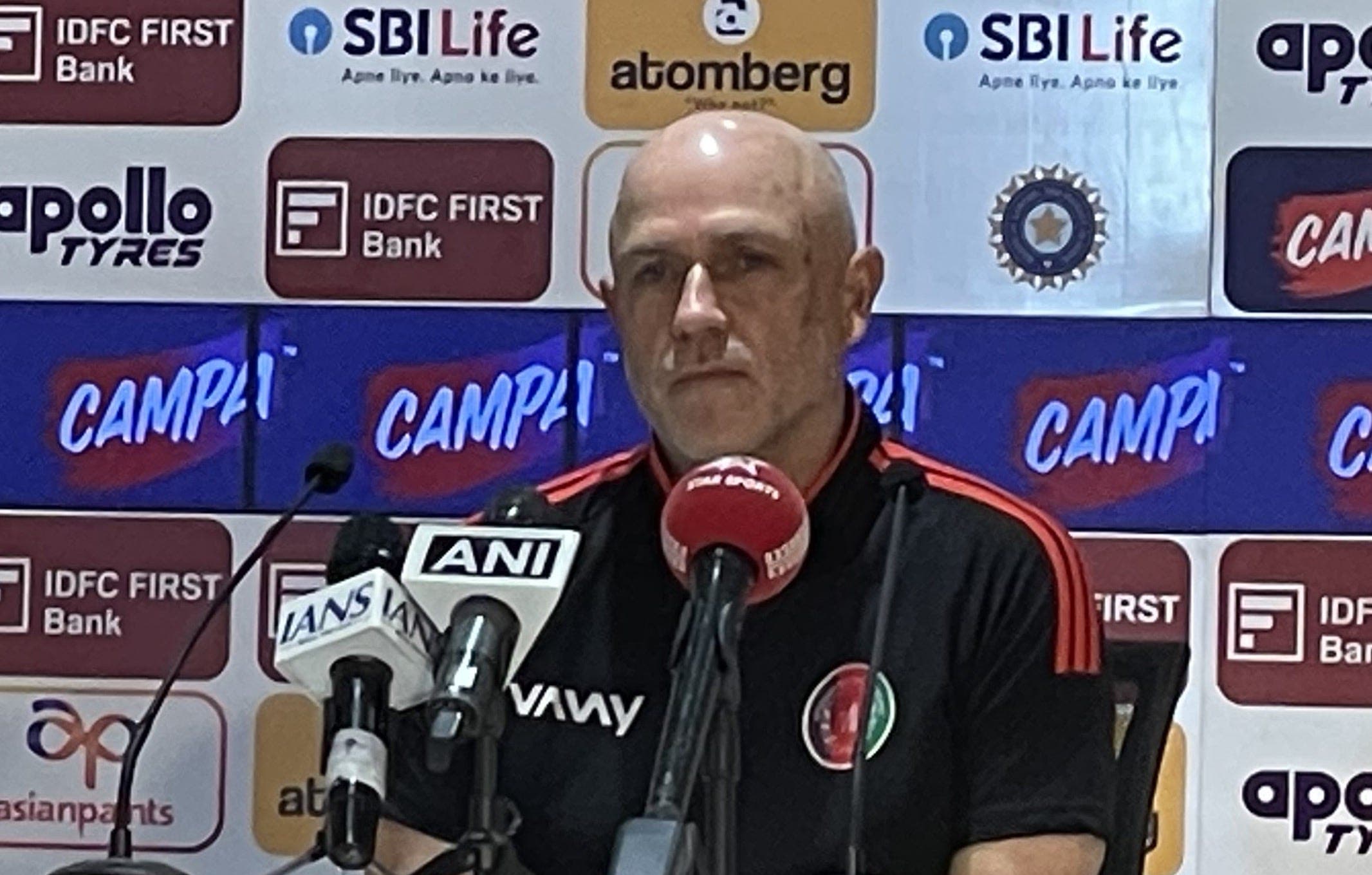
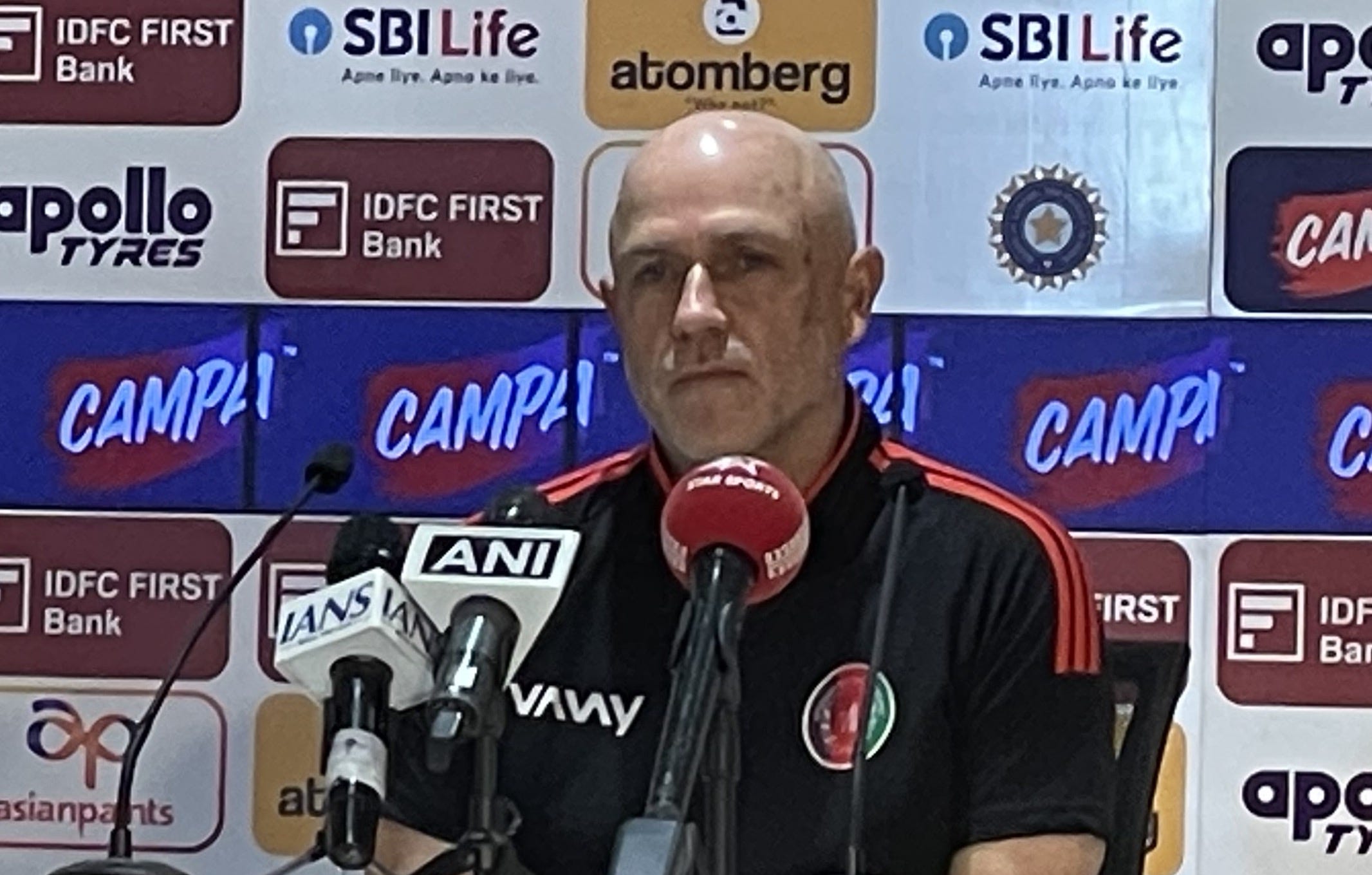
Understandably, this was top of mind for Richard Pybus, Afghanistan’s coach. Pybus has taken the role from Jonathan Trott, who did a lot to build up a team on the rise. Pybus was last director of cricket at West Indies, but he has been a career coach, with Pakistan and Bangladesh having benefited from his wisdom.
“Our challenge now in Test cricket is number one: getting fixtures,” said Pybus. “I think the onus is with the ICC. When a country gets granted full membership, it’s one thing to get full membership, but then we need to get a full fixture list. And it can’t be that the development historically of teams is just based on what the exposure we get at World Cups. I don’t think anybody could have conceived 20 years ago where Afghanistan cricket would be now, and quite how quick that development has been.”
Pybus is only beginning his journey with Afghanistan, but there was a twinkle in his eye when he spoke of what he had seen so far. “They don’t have cricket fields, they have cricket grounds and the ground is made of stone, the boundary is made out of stone, and the pitch is a concrete slab in the middle,” Pybus said, describing what he saw on the drive from Kabul to Jalalabad. “So the kids are out there with the adults, and they’re just playing. You just see the passion for the game, and it’s not deterred by the fact that there isn’t a blade of grass in sight. If I hadn’t seen it with my own eyes, I don’t know if I would have believed it.”